

by John Boch
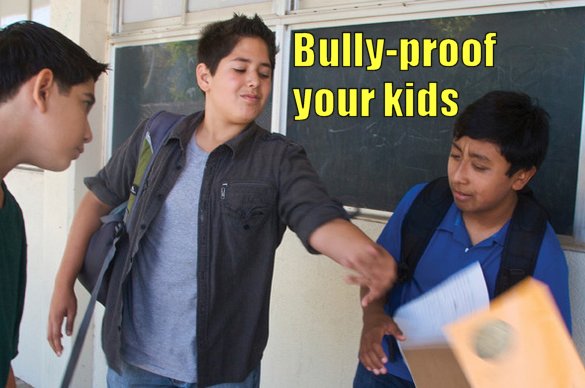
Youth bullying has been around for generations. Today’s public awareness has some folks labelling it an epidemic. Is it an epidemic? Who knows. Either way, we all know how kids can be brutal.
In some ways, schools and public officials have started taking a tougher view on bullying. At the same time, plenty of intimidation still happens. It remains important to tackle the problem early. Persistent bullying can have life-long implications.
Fortunately, proper coping skills will empower your kids to become bully-resistant.
Stay connected, not isolated.
Oppressors like to isolate their victims, physically and psychologically. To counter this, encourage your kids to maintain connections with friends and adults alike.
Most importantly though, incidents of bullying should be reported to a responsible adult when they occur – in addition to parents. This way parents can follow up should responsible adults (school officials, for example) don’t properly take action.
The same goes for witnessing bullying against another. It is understandable if your kid(s) don’t want to intercede at the time for a third-party, but they should still promptly report it to responsible adults.
Psychologists say that bullying does not only impact the victims, but also passive witnesses as well. They say those passive bystanders are also at increased risk of anxiety, depression and substance abuse.
Re-define Tattling.
Bullies lose their power without the cooperation of their victims to remain quiet. Why do kids often remain silent about their tormenters? Because they fear catching a “tattletale” reputation.
Teach your kids that speaking up about injustice is a noble act. Explain to your kids that bullying is serious, especially threats of physical violence. Even so-called harmless “online bullying” almost always comes with in-person harassment. Teach your kids to report serious matters to authority figures, or in the case of crimes, the police.
As a parent, you can encourage compassionate behavior at home. Instead of just asking “How was your day today?” ask your child, “Did you have a chance to help anyone today?”
Don’t wait to act!
A failure to act or promptly report the bullying incidents will lead to more aggressive bullying in the future. Empower your child / grandchild. Encourage them to report bullying right away. Praise them when they do the right thing by reporting it.
Teach your child to act assertively and confidently.
Kids (and parents) who respond assertively to intimidation will have better long-term results than those who act passively. Submissiveness serves as a magnet for further bullying and abuse.
Raise your child to stand up straight and to look a people in the eye. If bullied in person, call the tormenter by their name and tell them to stop their bullying in a calm, assertive manner.
At the same time, if kids avert their gaze, cower, or lose their cool, these behaviors will empower their tormenter(s).
Few kids will exhibit perfect skills in handling a bully, especially the first couple of times it happens. Praise your kids for what they do right when confronted with harassment. At the same time, help them understand how to better handle a future situation. The sooner they learn good coping skills, the sooner the problem will go away.
Maintaining a command presence.
Help your children to maintain a command presence in how they carry themselves. This will project confidence and make them a less inviting target for tormenters. On the other hand, submissive or nervous body language will draw bullies like a magnet.
If it turns physical.
If the bully uses physical violence, this is where your child may need to respond in kind. Training your child how to properly push someone away and how to execute a proper strike can come in very handy. Even more important, showing your child how to defeat a grab or escape from a choke might someday save their bacon from more than bullies.
Non-physical abuse.
Even non-physical bullying should be treated seriously. Name-calling, taunting, spreading rumors and exclusionary behavior can carry harmful psychological, and eventually physical effects.
This social and relational aggression (particularly among girls) can be so subtle as to prove difficult for otherwise vigilant adults to detect. Girls love to project the “sugar and spice” image because they know it’s powerful. And it can help conceal their subtle bullying of their peers.
Life is hard enough for young people. Help empower them with the skills they need to become bully-resistant!
 Help bully-proof your kid!
Personal Protection for Teens Course
GSL Defense Training’s Personal Protection for Teens course offers young people from junior high school through college age strategies to avoid victimization. The course covers dealing with bullies, dating safety, situational awareness strategies, how to survive active threats, legal issues involved in justifiably using force and much more.
For more information, visit the GSL Defense Training website, or contact John Boch at 217 649-3702 or visit the Tac Shack in Peoria.
Comments are closed.