
(GSL) – Self-defense is legal in America. Even in Chicago, believe it or not.
But prosecutors may employ very antagonistic tactics in an effort to turn a righteous use of force into a conviction. Civil attorneys may do the same to score a big payday.
Remember the jury pool won’t be a drawn from a regional Guns Save Life meeting’s attendees. It’ll contain a cross-section of the community including those who viscerally dislike guns and gun owners.
Hence why it’s best to practice situational awareness. By doing so, you can avoid victimization and second-guessing by investigators, prosecutors and plaintiff’s attorneys. That will save you thousands of dollars, a whole lot of inconvenience, potential injuries both physical and mental (PTSD sucks), and risk of incarceration.
If you interrupt that bad guy’s OODA Loop (Observe, Orient, Decide, Act) by doing the unexpected to thwart his plan for you, that’s a win – without all of the nasty by-products of the use of force in self-defense.
If situational awareness fails you and you have to use force, you MUST act to the standard by which you will be judged.
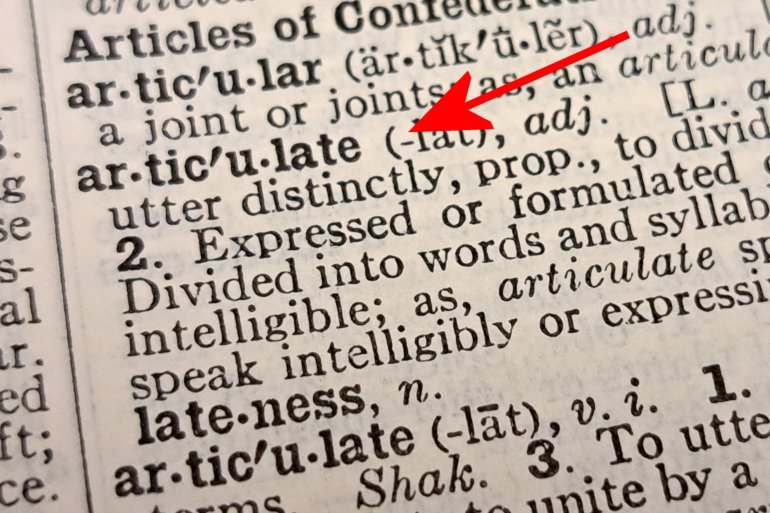
You must also be able to articulate that threat and explain your actions while meeting the Reasonable Man standard:
Whether an objectively reasonable and prudent person, possessing similar skills, training, and knowledge, and in the same or similar circumstances, would have shared that subjective perception.
Here’s the good news: the law does not require to people to make perfect use-of-force decisions, but we’re required to make reasonable use-of-force decisions. Thank you Graham v. Connor.
If you, with the help of your attorney, can articulate the threat you will probably be fine. You and your attorney might even convince a prosecutor not to pursue charges.
On the other hand, if you can’t articulate a threat, then you’re on track to pick up a felony conviction and maybe even some prison time.
“But John, what do you mean exactly? This is kind of complicated!”
You must be able to articulate why you did what you did. Why did you carry hollow points, extra magazines or why your gun had a lighter-than-factory trigger. If you had a decent carry class or have been reading GunNews for a few years, you know the answers to avoid these traps – and how to turn them back against the prosecutor.
You may face similar questioning about why you shot your attacker in the chest, face, head or groin. Or back. You better have an explanation that’s reasonable and makes sense to others.
This also includes why you may have brandished a gun without firing. You didn’t pull a gun on someone because they committed a trivial crime. You put them at gunpoint because they threatened to kill you if you didn’t let them get away and wouldn’t show you their hands after suggesting that they had a gun.
Good answers will make all the difference in more nuanced uses of force. For example:
You’re on video in a defensive gun use. Bad guy has knife about 10 feet away, but you manage to distract him. When he looks away, you move off the axis of his attack, draw and fire six shots, give or take, until Mr. Knife crumples to ground.
But there’s a problem: the high definition video clearly shows the knife guy drops his knife after the second or third shot struck his body. Yet you continued shooting and struck him a couple more times.
You darn sure better have good answers for these likely questions:
- Why did you shoot him? He wasn’t even looking at you.
- Why did you open fire? He only had a knife! Isn’t shooting someone armed with just a knife kind of overkill?
- Why did you keep shooting after he dropped his knife? Were you intent upon killing this man? You said you shot to save your life yet he was no longer a threat once he lost control of the knife and you continued firing.
Do you have answers in your comfy chair all relaxed and stress free? If you don’t know them now, do you think you’re going to dream something up under an interrogation by cops even with your attorney present? Or on the stand in a trial where your freedom is at stake? If so, you’re effin’ delusional.
But alas, we won’t leave you hanging.
So why did you shoot after the suspect lost control of the blade? Because it takes about six- to eight-tenths of a second to observe something, to process what’s happening and to decide to act accordingly – and then for that command to stop to reach your fingers. You stopped shooting as appropriate but it took several tenths of a second to implement the decision to stop shooting.
The same goes for a suspect who turns away after you began shooting. Shots to the back never look good to a jury, but if you and experts can attest those rounds were fired at the end before you could react to the stimulus of a suspect turning away, you’ll probably gain an acquittal.
Of course nothing is written in stone. Which is why the best way to win a gun battle is to not be there in the first place.
While self-defense is legal, you better act to the standard by which you will be judged and be prepared to articulate the threat you faced.
You carry a gun so you’re harder to kill. You know the law and how to articulate the threat so you’re harder to convict.
lawyer-*******, suck dick
ALL of your postings are moronic. Why do you bother?
I’m guessing “because he had it coming” is not a good defense.